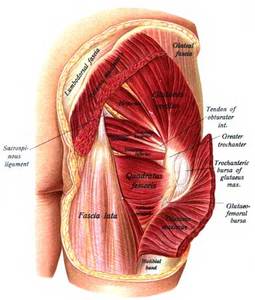
What is Hip (Trochanteric) Bursitis?
What causes Hip (Trochanteric) Bursitis? Trochanteric Bursitis can be caused by repetitive trauma through excessive walking, running or cycling, where muscles or tendons have been rubbing over the Trochanteric Bursa causing too much friction. If posture, gait or running technique is incorrect, the Bursa is more likely to become inflamed since the muscles or tendons will not be rubbing over the Bursa as they should. A fall or sudden impact through sports may also damage the Bursa and cause Hip Bursitis. Other diseases such as arthritis, calcium deposits in the tendons, weak hip muscles or a tight ITB that leads to improper posture can also cause Trochanteric Bursitis. When to Seek Treatment for Hip Bursitis? As with most conditions, earlier treatment will allow a faster recovery and reduce the chance of re-occurance. Also, as somebody with hip pain starts to walk differently, other parts of their body (ie. back) can go out of alignment too from improper gait. Bowen Treatment for bursas may be very effective at reducing the pain, and significantly improve the rate of healing. Without treatment and continuing the activity that is aggravating the bursa, the pain will likely get worse. Tendons or muscles rubbing over a damaged bursa that no longer provides protection or lubrication may also become damaged. You can read some reviews from our clients on the Review page here, or Book Online here for a Bowen Therapy Treatment for Hip Bursitis in Geelong. We're open till 9pm on weekdays and Saturday.
2 Comments
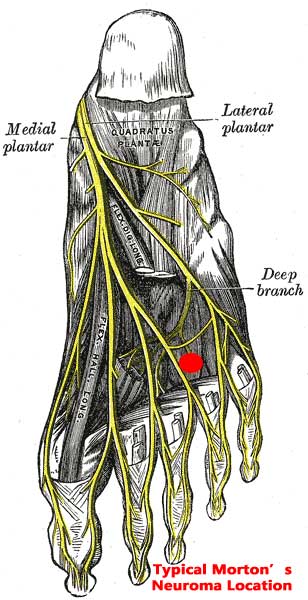
What is Morton's Neuroma?
What Causes Morton's Neuroma? High heels or tight fitting footwear, such as worn in sports like skiing or rock climbing, can cause Morton’s Neuroma. The compression of the foot can cause the nerves within to become irritated and swollen, causing pain. People who have other foot issues such as bunions, hammertoes, fallen or high arches are at a higher risk of experiencing Morton’s Neuroma, especially if they are putting a lot of stress on their feet, (eg. by doing lots of running). When to Seek Treatment for Morton's Neuroma? Early treatment of Morton's Neuroma facilitates faster recovery. Bowen Treatment can help alleviate the pain, and works to improve the circulation and rate of healing, Without treatment and continuing activities that are aggravating the Neuroma the pain will likely get worse. You can read some reviews from Louis's clients on the Review page here, or Book Online here for a Bowen Therapy Treatment for Morton's Neuroma in Geelong. We're open till 9pm on weekdays and Saturday.
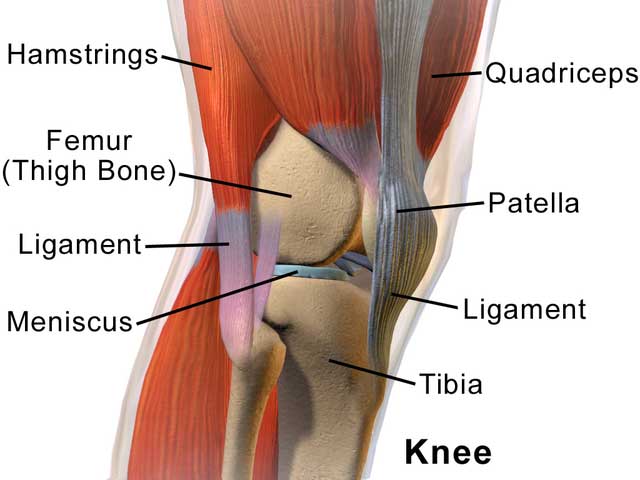
What is Osgood-Schlatter's Disease?
What Causes Osgood-Schlatter's DiseaseAs a child has a growth spurt, the bones sometimes grow faster than the muscles. The quadriceps can then become tighter, putting more strain on their anchor points on the bones. Small fractures can occur at the tibial tuberosity, that holds the quadriceps onto the tibia, and the body responds by increasing the bone mass and density at the anchor site, increasing the size of the tibial tuberosity. Previous knee injuries may make a child more susceptible to Osgood – Schlatter’s disease When to Seek Treatment for Osgood-Schlatter'sIf Osgood-Schlatter's disease is preventing your child from participating in sport it may be worth getting it treated. Knee pain or swelling may become chronic if the tibial tuberosity is not treated and allowed to rest from being continuously stressed. Without treatment or rest, as the body reinforces the tibial tuberosity with additional bone the child may develop a bony protrusion from their shin beneath their knee cap. This will usually remain for life. Bowen Treatments work to relax and lengthen the quadriceps muscle group so that it puts less stress on the anchor point. You can read some reviews from Louis's clients on the Review page here, or Book Online here for a Bowen Therapy Treatment for Osgood-Schlatter's in Geelong. We're open till 9pm on weekdays and Saturday.
|
Louis Attard
|

 RSS Feed
|
© Copyright Louis Attard 2015-2022
|
Louis Attard - Bowen Therapist / Homeopath Dip. BT, Bach Comp. Sci.
|